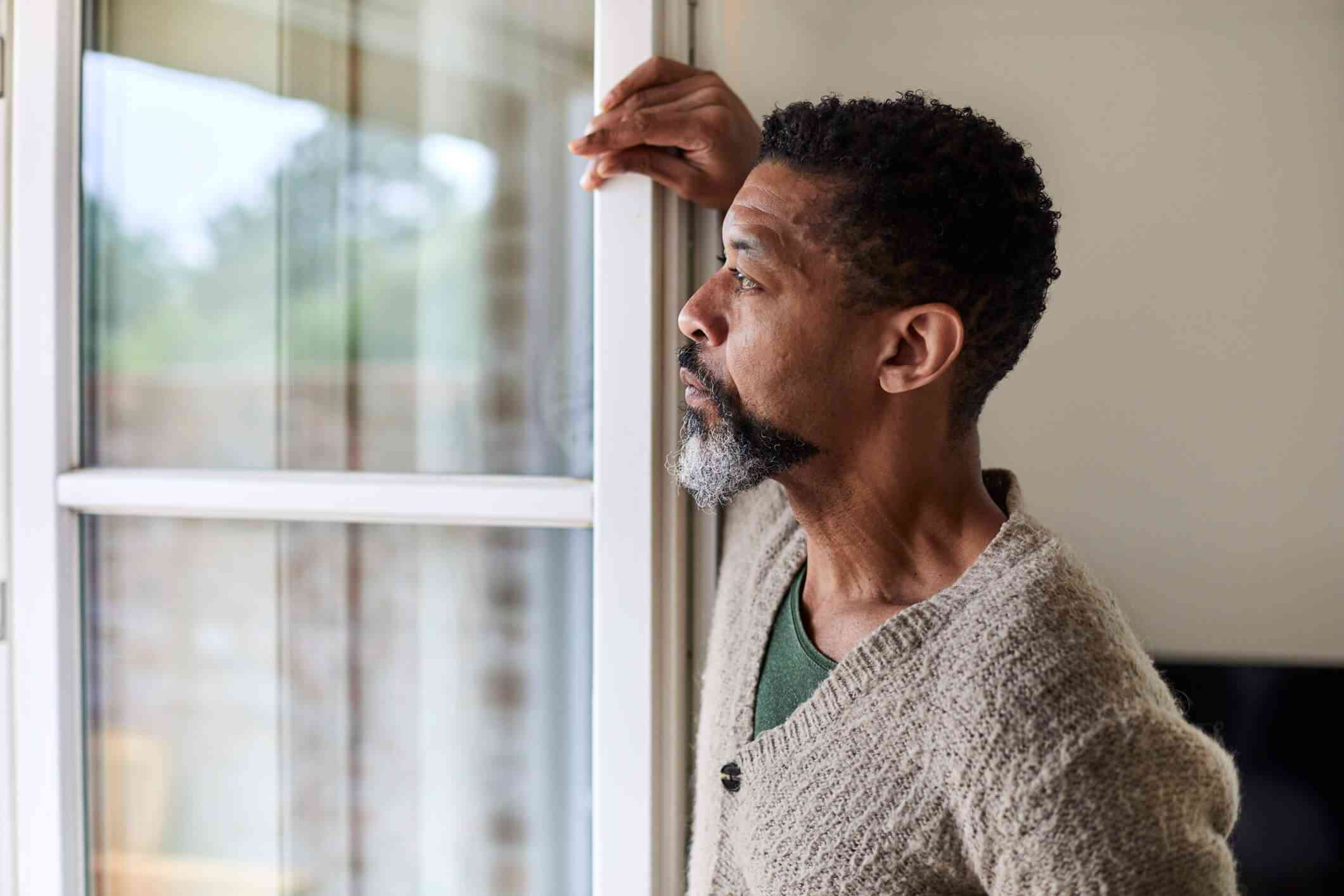
Why Good Men Quietly Become Resentful

Why Good Men Quietly Become Resentful in Their Marriage
By Alyssa Stines, LCSW, CSAT
Founder, The Intimacy Upgrade
This article is part of the Under Pressure series, a ten-part collection on disconnection, emotional patterns, and what it actually takes to change them in long-term relationships. Read the full series here: The Intimacy Upgrade - Under Pressure
Resentment is one of the most common killers of long-term relationships.
It is also one of the least discussed.
Many men feel it quietly and do not fully understand where it came from. Some feel ashamed of it. Others feel justified in it, which can open the door to behaviors they may later regret, such as an affair. Some even begin to question their own character as they notice the feeling building.
But resentment rarely appears out of nowhere.
In most marriages, it grows slowly from a pattern that neither partner fully sees while it is forming.
Understanding that pattern, and taking accountability for how it develops, can change the way many couples think about the tension they feel in their relationship.
Resentment is often the product of the overfunctioning cycle described in Why Trying Harder Is Making Things Worse at Home.
The Emotion Many Men Do Not Admit
Many men who experience it would never describe themselves as resentful.
They would simply say something feels increasingly heavy at home.
Most men do not say:
“I feel resentful in my marriage.”
Instead they say things like:
• “Nothing I do seems to make her happy.”
• “I feel like I’m always getting it wrong.”
• “It feels like I’m constantly being evaluated.”
• “I’m tired of trying.”
These statements often appear long before a man would ever use the word resentment.
But they describe the emotional environment where resentment begins to form.
How Resentment Slowly Builds
Resentment often develops through a predictable cycle.
A man notices that his wife is unhappy, dissatisfied, or that their sex life has started to wane.
So he tries to respond.
He adjusts his schedule.
He becomes more patient.
He does more around the house.
He tries to listen more carefully.
At first these efforts come from genuine care.
But if the underlying relationship pattern does not change, the effort eventually begins to feel invisible. And so does the person performing it.
Something then shifts internally as he tries to deal with the hurt and shame building beneath the surface.
Confusion turns into frustration.
Frustration turns into discouragement.
Discouragement slowly becomes resentment.
The Overfunctioning Trap
Many capable men respond to relationship tension the same way they respond to professional challenges.
They increase effort.
They take responsibility.
They solve problems.
They push through discomfort.
This approach works extremely well at work.
In relationships, it can quietly create a different problem.
When someone consistently overfunctions in order to stabilize the relationship, the emotional cost eventually shows up somewhere.
Often it appears as exhaustion or resentment.
Why the Skills That Made You Successful Are Working Against You at Home goes deeper on exactly why capable men fall into this cycle.
Why Resentment and Withdrawal Often Appear Together
Many partners notice something change before resentment is ever discussed directly.
A man may begin:
• working longer hours
• withdrawing emotionally
• initiating sex less frequently
• becoming more irritable at home
• wondering what it would be like to be single, or noticing the coworker who seems to appreciate him
From the outside, this can look like disengagement.
Internally, it often reflects a man who feels that his effort is no longer creating connection.
Resentment can become a form of protection for someone who feels continually evaluated but rarely understood.
Resentment Is Usually a Signal
Resentment is often misunderstood as selfishness or emotional immaturity.
In reality, it is often a signal that something in the relational dynamic is not working.
It may signal:
• chronic overfunctioning
• unspoken needs
• emotional miscommunication
• a pattern that repeatedly turns effort into pressure
When couples can identify the pattern underneath resentment, the emotion itself often becomes easier to understand.
A Pattern I See Often
In my work with couples and individuals navigating relationship disconnection, I see this pattern appear repeatedly.
People who care deeply about their relationship slowly find themselves stuck in a cycle they never intended to create.
They try harder.
They take on more responsibility.
They attempt to stabilize the relationship.
And yet the emotional distance continues to grow.
Without understanding the pattern underneath the tension, many couples assume the problem is personal failure rather than a dynamic that developed over time.
If the feeling of being controlled or monitored is part of what you’re carrying, Why Some Men Feel Controlled in Their Marriage addresses that directly.
Clarity Before Blame
Most couples cannot clearly see the patterns shaping their relationship while they are living inside them.
They simply feel tension and try harder.
If you recognized yourself in parts of this article, you are not alone.
Many people quietly find themselves stuck in these dynamics without understanding how they developed.
Before you can change a pattern, you first have to be able to see it clearly.
That is why I created the Disconnection Audit.
It is a short private assessment designed to help identify the relational patterns shaping a marriage, without blame or diagnosis.
Understanding the pattern is often the first step toward changing it.
If resentment has been quietly building in your relationship, clarity about the underlying dynamic can help you see what is actually happening.
©2026 The Intimacy Upgrade, LLC. All rights reserved